
Asheville Records at a Glance
Asheville is the Buncombe County seat, but the city is not its own records county. A city address may lead to a municipal permit file, a county parcel card, a Register of Deeds instrument, or a state court case. North Carolina Public Records Law starts from broad access to government-made or government-received material, yet a separate statute can close a record or require redaction. The first task is to identify the keeper, not to search every portal for the same name.
| Record set | Keeper | Online route | Access path |
|---|---|---|---|
| Deeds, liens, plats, assumed names | Buncombe Register of Deeds | Online Records Search; consolidated real-property index from 1995, with older book systems | Free index, public search room, mail, plain or certified copy |
| Property and tax | Buncombe Tax Assessment and Land Records | Property Record Search, tax lookup, GIS, PIN History | Free web inspection or office request |
| State trial courts and estates | Clerk of Superior Court | eCourts Portal and court-date search | Portal, courthouse terminal, clerk file, plain or certified copy |
| Birth, death, marriage, divorce | Register of Deeds, Clerk, or N.C. Vital Records | Service and index vary by record | Eligibility, ID, and certificate rules may apply |
| City permits, council, police | Asheville department or City Clerk | City archives, permit system, public-record request | Online record, department counter, mail, or Chapter 132 request |
| Custody and offender data | Sheriff, N.C. DAC, or NCSBI | Current inmate catalog and state searches | Free index; request or court file for more detail |
Adoption and juvenile files, sealed or expunged cases, military discharges, protected addresses, sensitive identifiers, and parts of criminal investigations are not ordinary open records. A confidential field does not always close the whole item. The custodian may redact the protected part and release the rest.
Asheville Access Under Chapter 132
North Carolina General Statutes Chapter 132 defines government records broadly, regardless of whether they are paper, email, audio, or database entries. Section 132-6 allows any person to inspect records at reasonable times and under reasonable supervision. A requester does not need special legal wording or a stated purpose. The law calls for copies “as promptly as possible,” but it sets no fixed three-day, five-day, or ten-day deadline.
Ordinary copy charges must reflect actual reproduction cost. Section 132-6.2 also permits a reasonable special-service charge when a request demands extensive technology or extensive clerical or supervisory work. The office should explain that charge and give an estimate. Narrow date spans, named departments, exact case numbers, and known document titles reduce both delay and cost. If access is denied, section 132-9 permits an action in superior court to compel disclosure; attorney-fee rules depend on the facts and legal basis.
- Custodian
- The office or official responsible for the requested government record.
- Index
- A searchable list of entries. It may not include the full document image.
- Certified copy
- A copy authenticated by the keeper for formal use.
- Exemption
- A law that closes a record or protects part of it from disclosure.
Note: Chapter 132 opens existing government files; it does not require an office to create a new report or answer a research question.
Asheville Deed Records by Name
The Buncombe Register of Deeds Quick Name search is built around indexed names, not street addresses. It covers conveyances, deeds of trust, satisfactions, powers of attorney, assumed names, separation agreements, road agreements, and plats. The consolidated real-property index is valid from January 1, 1995 forward. Separate older deed and plat books reach far earlier, and one verified online result is dated 1804, but that sample does not prove unbroken remote coverage from that year.
| Portal field | Control | Required | How to use it |
|---|---|---|---|
| Last / Company Name | Text | Yes for name mode | Enter a surname or entity and try spelling variants |
| First Name | Text | No | Narrows an individual result set |
| Middle Name | Text | No | Use initials as well as full forms |
| Party Type | Mode or dropdown | No | Limits grantor, grantee, or all-party behavior |
| Instrument Type | Dropdown | No | Limits results to a document category |
| Begin / End Date | Date pair | No | Restricts the recording period |
A grantor transfers an interest; a grantee receives it. Results can show party role, instrument type, recording date, book and page, file number, and links to images or related property tools. Some facts appear only in the scanned deed. The public search room at 205 College Street is open Monday through Friday, 8 a.m. to 5 p.m. The official fee schedule lists plain copies at $0.25 per page and certified real-estate copies at $5 for the first page plus $2 for each added page. Mail requests need the county form, check or money order, and a self-addressed stamped envelope.
Asheville Property and GIS Records
County property tools solve a different problem from the name-first deed index. The Buncombe Property Record Search accepts an owner name, property address, or parcel identification number. A parcel card can show assessed owner, owner mailing address, situs address, the 15-digit PIN, legal-description context, values, building traits, acreage, deed reference, and tax jurisdiction. “Situs” means the physical parcel location. A mailing address may point to an agent, trust, company, or old tax destination, so it is not proof of residence.
The Buncombe GIS viewer adds parcel boundaries and map context. PIN History helps when a lot was split, combined, or renumbered. Discover Buncombe connects an address with property, 911, school, library, crime, and voting themes. None of these county sources is a survey or a stand-alone statement of current occupancy. New-plat GIS updates can take five to ten business days.
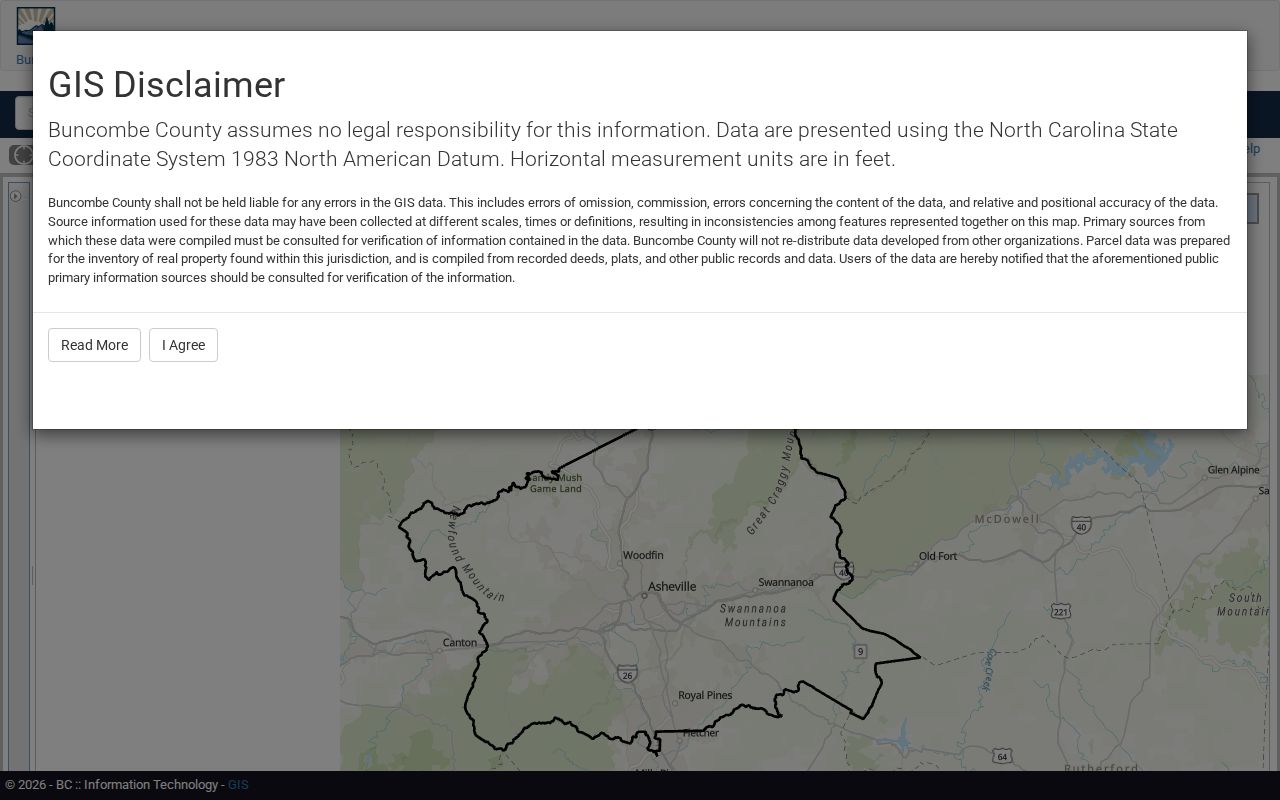
Map tools add location and boundary context, while the recorded deed and plat remain the controlling sources for legal land descriptions.
Note: If a parcel number breaks the deed chain, use PIN History before assuming the older instrument belongs to a different property.
Asheville Public Records Offices
The principal counters sit near downtown Asheville, but they do not hold interchangeable files. Bring a book and page for a deed, a case number for a court paper, or a parcel PIN for land research when possible. Those stable identifiers help staff reach the right item and distinguish people with similar names.
Buncombe Register of Deeds
205 College Street
Asheville, NC 28801
(828) 250-4300
Clerk of Superior Court
60 Court Plaza
Asheville, NC 28801
(828) 259-3400
Buncombe court services
Asheville City Clerk
City-created council, board, and department records
City records request
City records include council actions, board materials, permits, code matters, and releasable police records. The city routes deeds, taxes, state court cases, and most vital certificates to the proper county or state keeper. Asheville police reports may be available online, at the Municipal Building records lobby, or by mail with a self-addressed stamped envelope. Investigative, victim, juvenile, and body-camera material can have separate limits.
Asheville Court Records After eCourts
Buncombe District and Superior Court records belong to the North Carolina Judicial Branch. The eCourts Portal can be searched by party name or case number, with advanced filters for location, case type, status, and date. The Judicial Branch’s court-record access explanation distinguishes remote records from courthouse access. The separate court-date tool accepts a name or citation number, Buncombe County, and a date window. A calendar match only shows a scheduled event. It is not a conviction or a complete case file.
A portal docket may show the case number, court location, case type, filing date, status, parties and roles, counsel, events, dispositions, and financial entries. Public documents vary by case class. Sealed and expunged matters, juvenile and adoption cases, and confidential parts of domestic or mental-health files stay unavailable. When a filing is not online, record its case number and ask the Clerk at 60 Court Plaza for the named document, filing date, archived format, and plain or certified copy.
Statewide eCourts reached all 100 North Carolina counties on October 13, 2025. Remote access is now broader, but courthouse terminals and clerk-held paper, microfilm, and archived files remain part of the Asheville court-record system.
Asheville Vital Records Access Rules
North Carolina does not use a simple rule that every old birth or death certificate becomes unrestricted after a set number of years. N.C.G.S. § 130A-93 distinguishes certified from uncertified copies and limits certified birth, death, and marriage copies to listed relatives, the person named, an authorized agent or attorney, or someone seeking information for a legal determination. Adoption and delayed-birth material carry further controls.
For a Buncombe event, the Register of Deeds publishes in-person, online, and mail ordering routes. A local certified birth, death, or marriage copy is $10; an uncertified copy is $0.25 where allowed. County online orders add a $2 card service charge. The mail packet requires the request form, valid photo ID, relationship or entitlement facts, record details, signature, copy count, and check or money order. Buncombe also issues certain statewide North Carolina birth certificates from 1971 forward for $24, with exclusions for older, adopted, delayed, and photocopy requests.
The N.C. Vital Records order service supplies statewide ordering routes and divorce certificates.
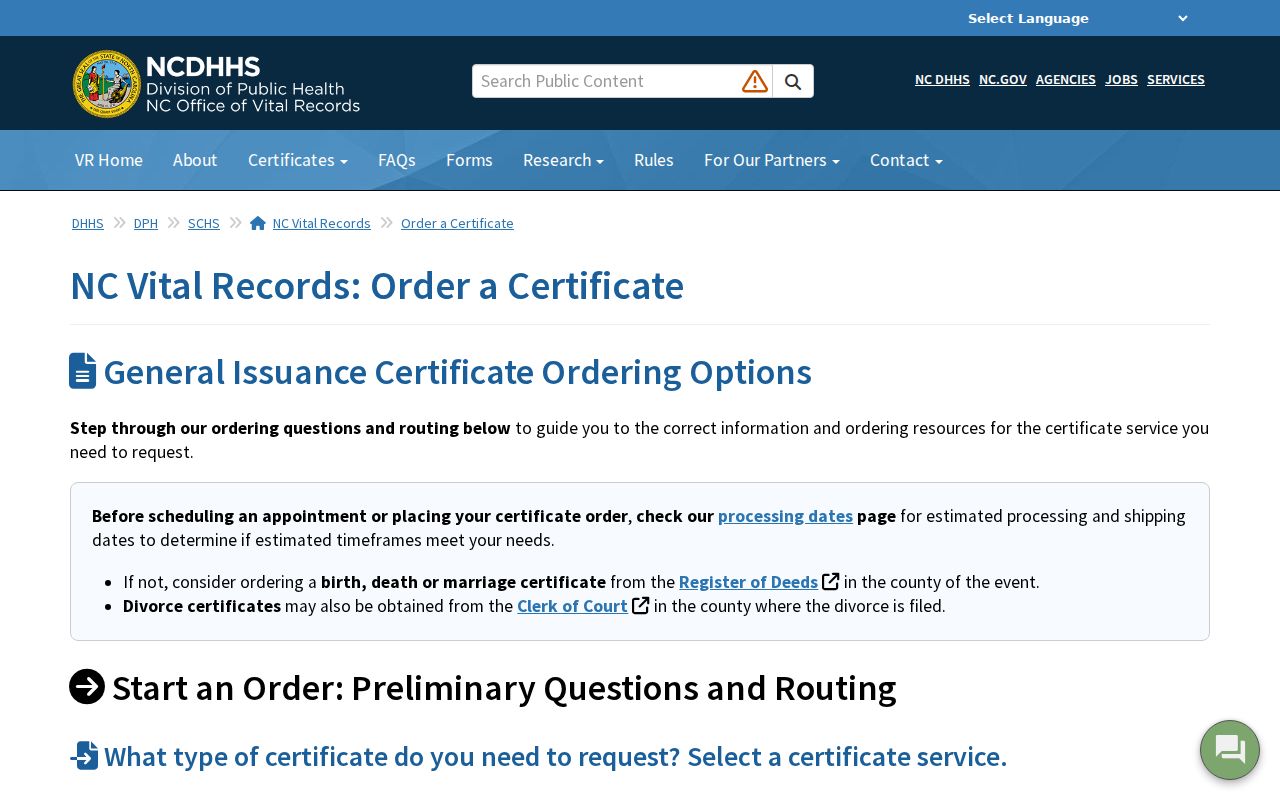
The state route is useful when the event was outside Buncombe or only the statewide office can provide the requested service. A divorce decree or full case narrative still comes from the Clerk, not the vital certificate.
Certificate warning. An index entry, an uncertified copy, and a certified certificate serve different purposes. Confirm eligibility and identification rules before paying.
Asheville Custody and Registry Records
The Buncombe Sheriff’s inmate catalog focuses on current detention and booking context. If the catalog fails, contact the Detention Facility at 20 Davidson Drive or request the releasable record. The North Carolina Department of Adult Correction search covers state custody and supervision, using name, status, offender number, birth or age data, gender, race, and ethnicity. Neither source replaces the court file, and custody alone does not establish guilt.
The NCSBI Sex Offender Registry supports name and geographic searches, registration-number lookup, mapped radius searches, data downloads, and alerts. It publishes adult registration information; juvenile registry material is not public.
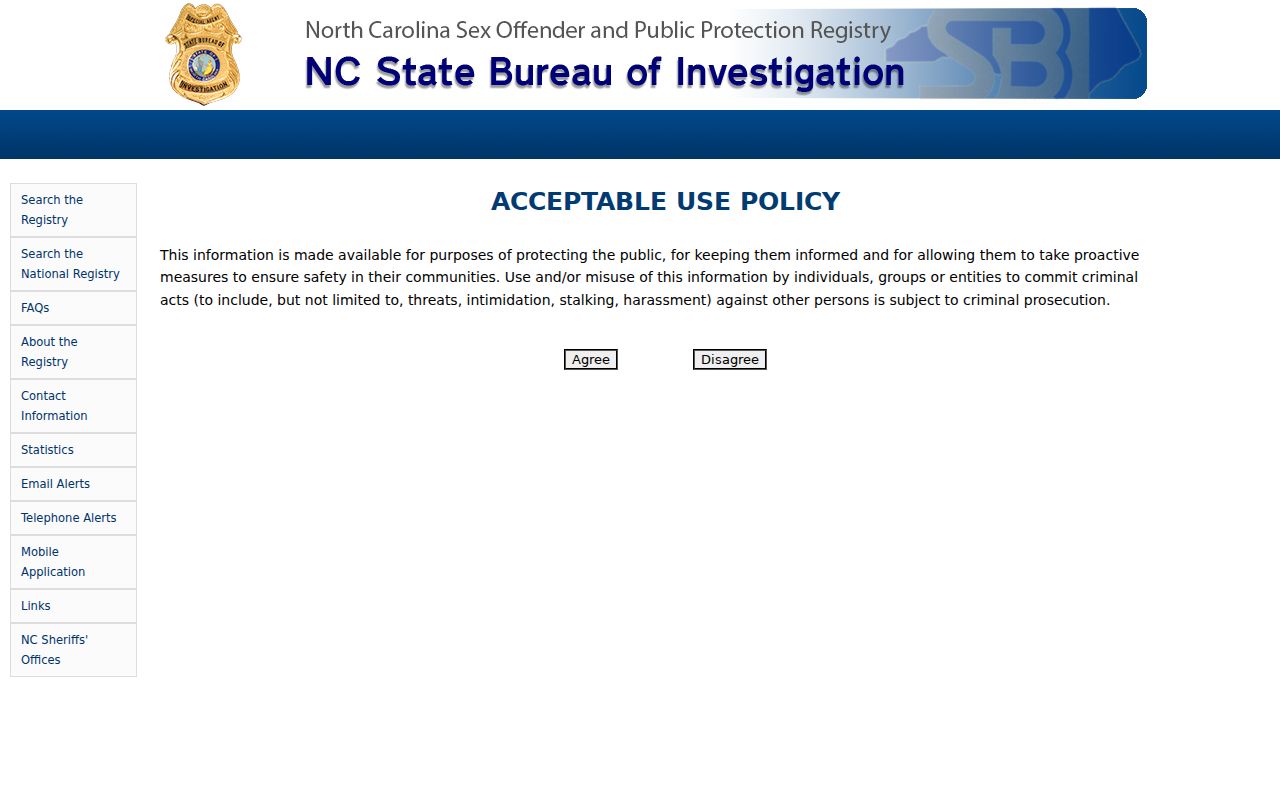
The registry’s location tools have a public-safety purpose. They are not a general criminal-history search and must never be used to threaten or harass a listed person.
Note: Match names with a case number, offender number, age, or other stable fact before treating two entries as the same person.
Asheville Records With Privacy Limits
Open government does not make every identity field public. Driver records are restricted under the federal Driver’s Privacy Protection Act and state law. North Carolina voter files exclude birth dates, Social Security numbers, driver-license numbers, and certain protected addresses. Personnel statutes, security plans, trade secrets, trial-preparation material, juvenile files, adoption records, sealed cases, and criminal investigation records create other limits.
North Carolina’s Address Confidentiality Program gives a substitute address and mail forwarding to qualifying survivors who have moved or are moving because they fear discovery. It is not a general removal tool. For sensitive identifiers placed in a recorded document, N.C.G.S. § 132-1.10 allows a written redaction request that identifies the information, the document, and its exact location. That remedy is narrow and does not erase the underlying lawful public record.
Lawful personal use. Inspect Asheville public records for legitimate civic, family, property, or safety research. Never use an address, registry entry, or court filing to stalk, harass, threaten, or intimidate anyone.
Asheville Records Lost to Fire
Buncombe County formed in 1791. Courthouse fires in 1830 and 1865 destroyed many court records, so a missing early file may represent a true gap rather than a poor search. Deeds, tax lists, city directories, newspapers, church and cemetery sources, and later estate papers can preserve facts that vanished from a court series. The State Archives county holdings and Buncombe County Special Collections are key fallbacks when the clerk or web portal has no surviving item.
The scale of the surviving archive is notable. The State Archives catalog lists 726 cubic feet, 43.33 gigabytes, and 6,908 microfilm reels of Buncombe County government records. The Register of Deeds holds real-estate material from the late 1700s, while modern systems have their own cutovers: the consolidated deed index begins in 1995, much pre-2019 city permit review remained on paper, and statewide eCourts access was completed in 2025. Coverage must be judged one series at a time.
Note: Treat archive volume figures as collection scale, not proof that every named file survived either courthouse fire.
Request Asheville Public Records Precisely
A strong request asks for an existing, identifiable record. For Asheville city files, name the department, subject or address, people named, record type, and a narrow date span. An email request should identify likely senders and recipients. City government does not have to create a new compilation or answer a broad research question. Use the Asheville request service for city-created material and the county or state keeper for other records.
- Find the custodian. Decide whether the record came from Asheville, Buncombe County, the courts, or a state agency.
- Check the index. Capture the case number, book and page, parcel PIN, permit number, or other unique identifier.
- Describe the item. Give names, dates, document title, department, subject, and preferred electronic or paper format.
- Choose the copy. State whether inspection, a plain copy, or a certified copy is needed, then ask for an estimate.
- Address a denial. Ask for the statute supporting any withheld part, narrow the scope if useful, and consider the section 132-9 court remedy.
A deed request should include indexed names and book/page or instrument data. A court request needs the case number, county, filing title, and filing date. Vital requests require event facts, eligibility, photo identification, and payment. These details let the public-records office retrieve the exact file instead of searching for “everything” connected to a common name.